Amantaní Island
Amantan is an island on the Peruvian side of Lake Titicaca. The island is circular and about 9.28 km² in size. It has two mountain peaks, Pachatata (“father earth”) and Pachamama (“mother earth”), with ancient Inca and Tiwanaku ruins on top of both. The hillsides are terraced, mostly worked by hand, and planted with wheat,
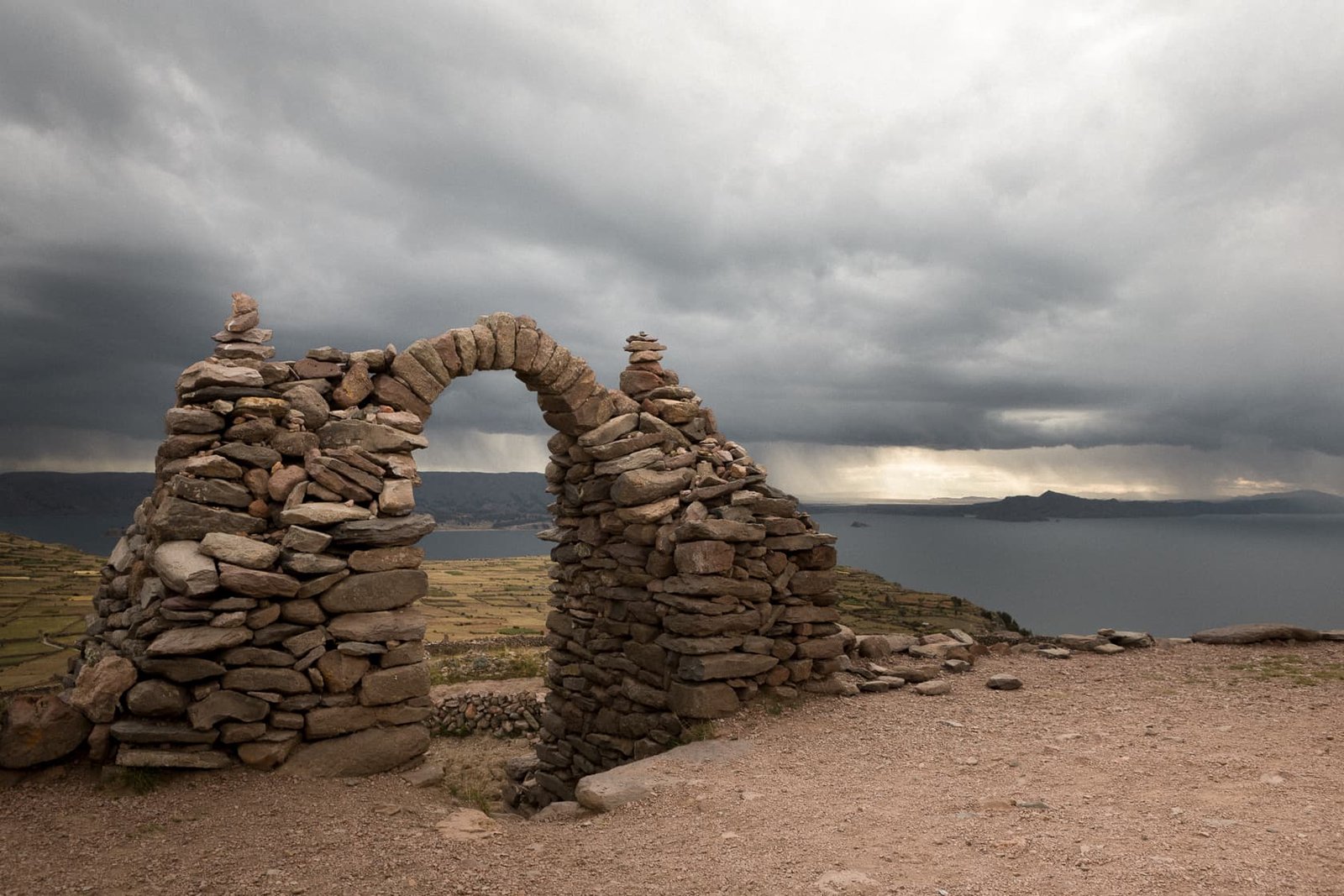
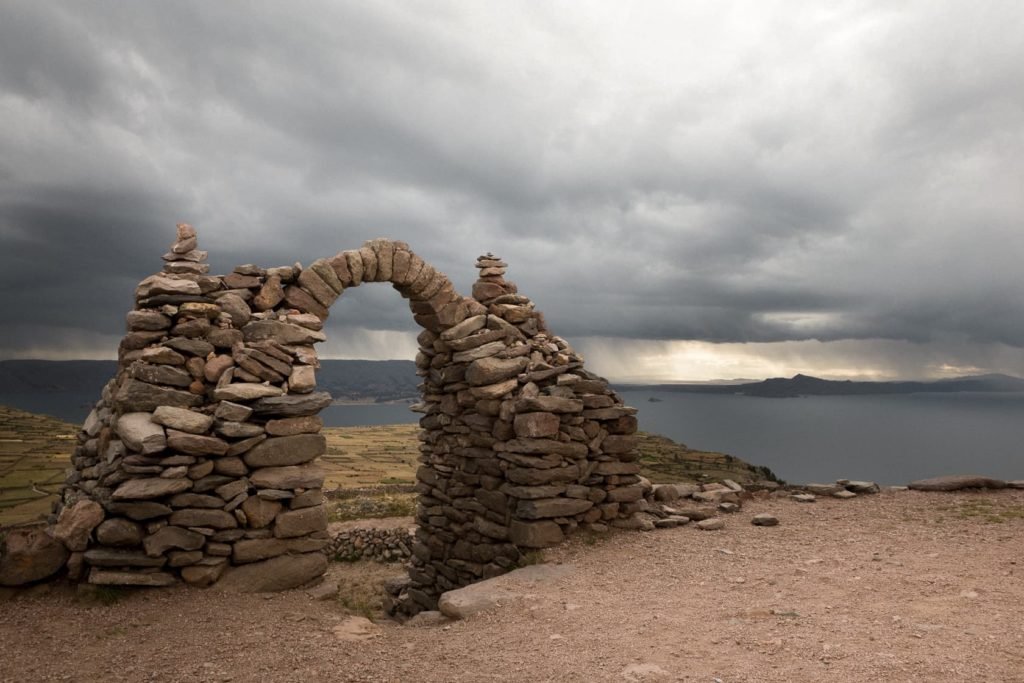
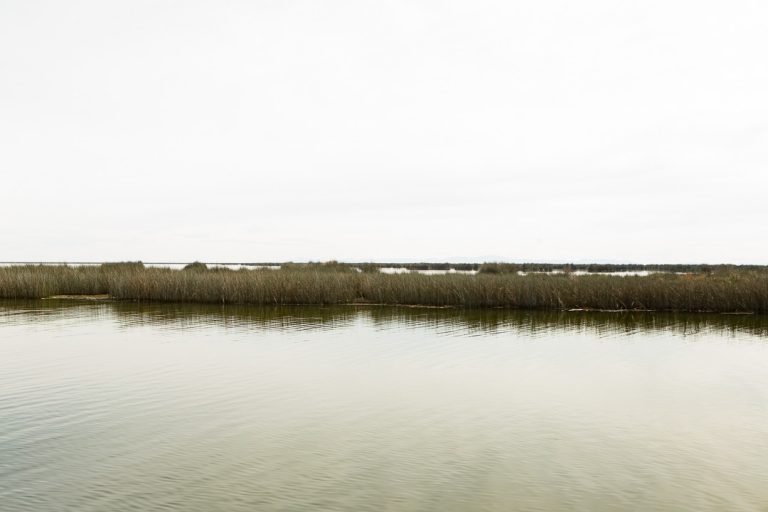
Amantan is an island on the Peruvian side of Lake Titicaca. The island is circular and about 9.28 km² in size. It has two mountain peaks, Pachatata (“father earth”) and Pachamama (“mother earth”), with ancient Inca and Tiwanaku ruins on top of both. The hillsides are terraced, mostly worked by hand, and planted with wheat, quinoa, potatoes, and other vegetables. Livestock, including sheep, also graze the slopes.
Amantani is known as the “Island of the Kantuta”, after the national flower of Peru and Bolivia, which grows plentifully on the island.
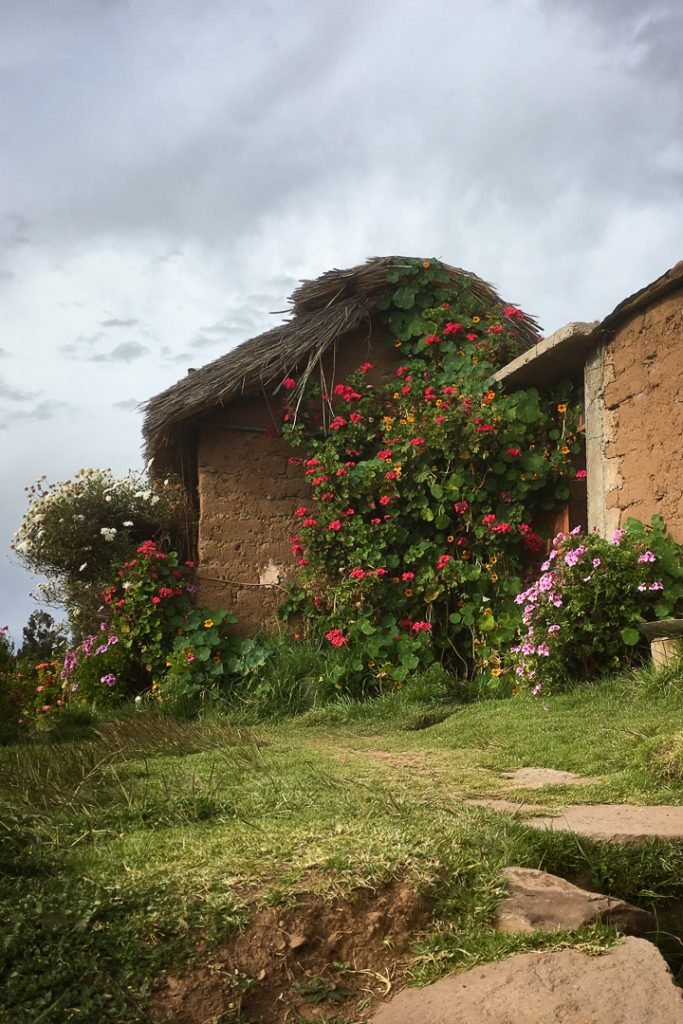
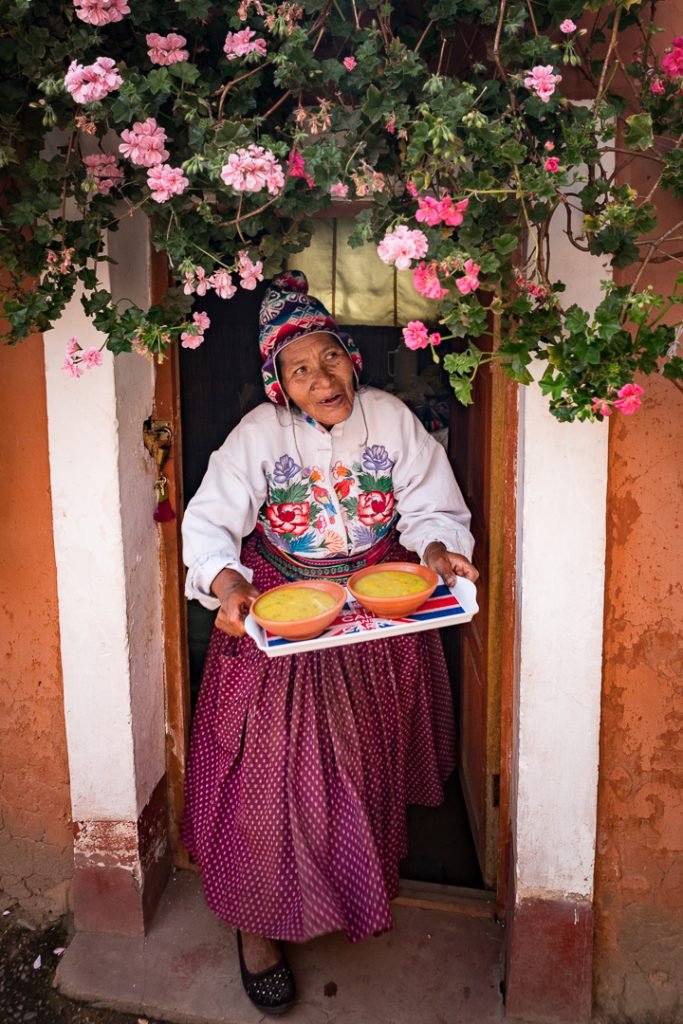
Amantan is an island on the Peruvian side of Lake Titicaca. The island is circular and about 9.28 km² in size. It has two mountain peaks, Pachatata (“father earth”) and Pachamama (“mother earth”), with ancient Inca and Tiwanaku ruins on top of both. The hillsides are terraced, mostly worked by hand, and planted with wheat, quinoa, potatoes, and other vegetables. Livestock, including sheep, also graze the slopes.
Amantani is known as the “Island of the Kantuta”, after the national flower of Peru and Bolivia, which grows plentifully on the island.
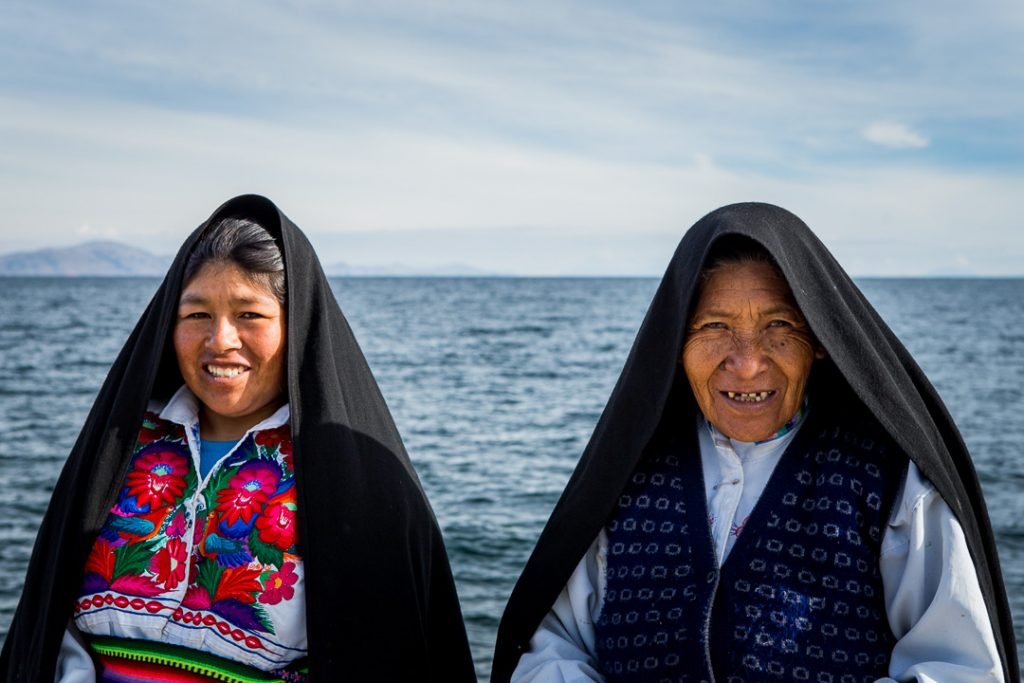
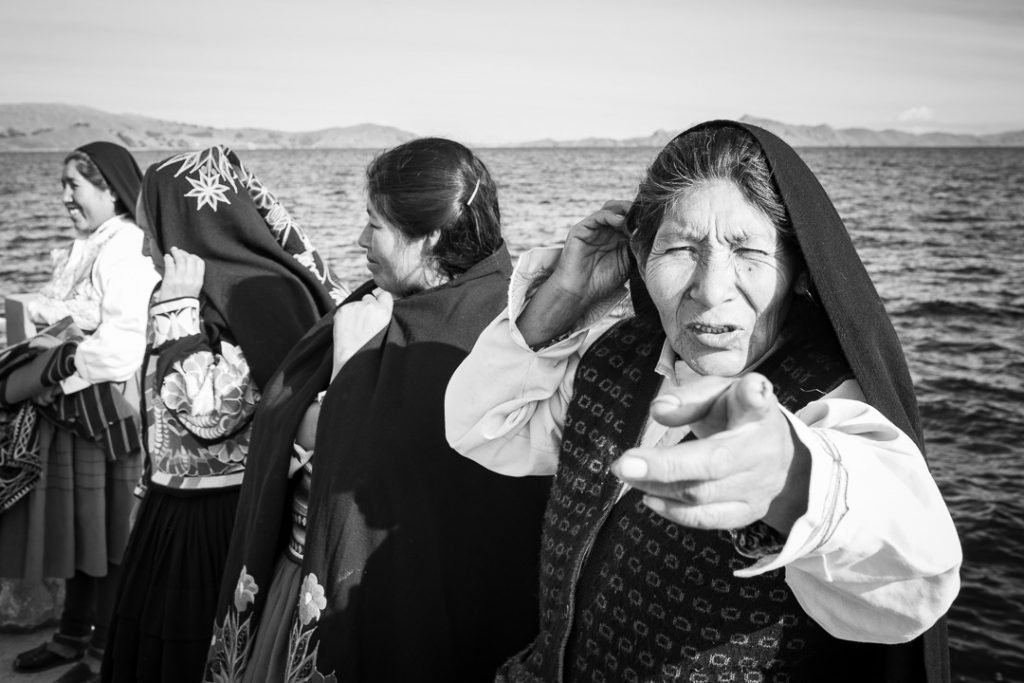
Amantan is an island on the Peruvian side of Lake Titicaca. The island is circular and about 9.28 km² in size. It has two mountain peaks, Pachatata (“father earth”) and Pachamama (“mother earth”), with ancient Inca and Tiwanaku ruins on top of both. The hillsides are terraced, mostly worked by hand, and planted with wheat, quinoa, potatoes, and other vegetables. Livestock, including sheep, also graze the slopes.
Amantani is known as the “Island of the Kantuta”, after the national flower of Peru and Bolivia, which grows plentifully on the island.
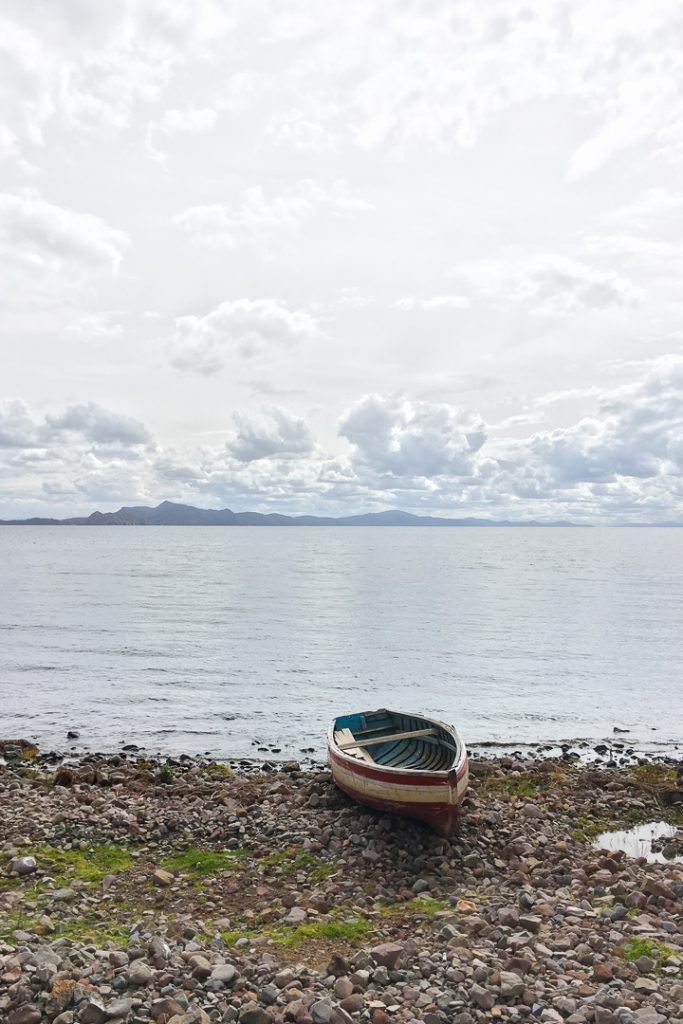
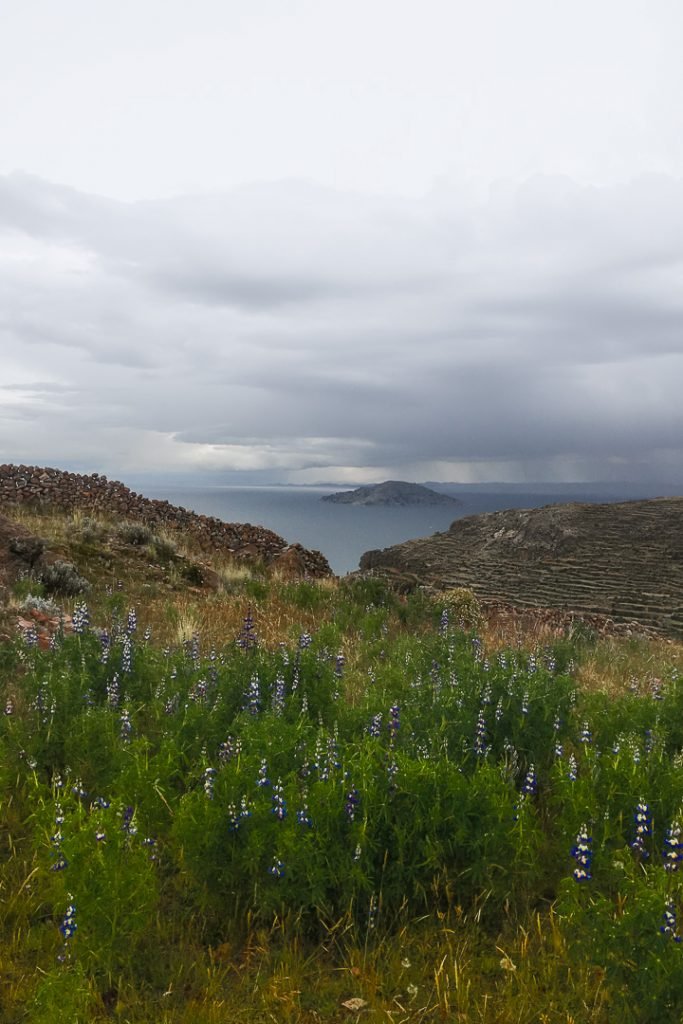
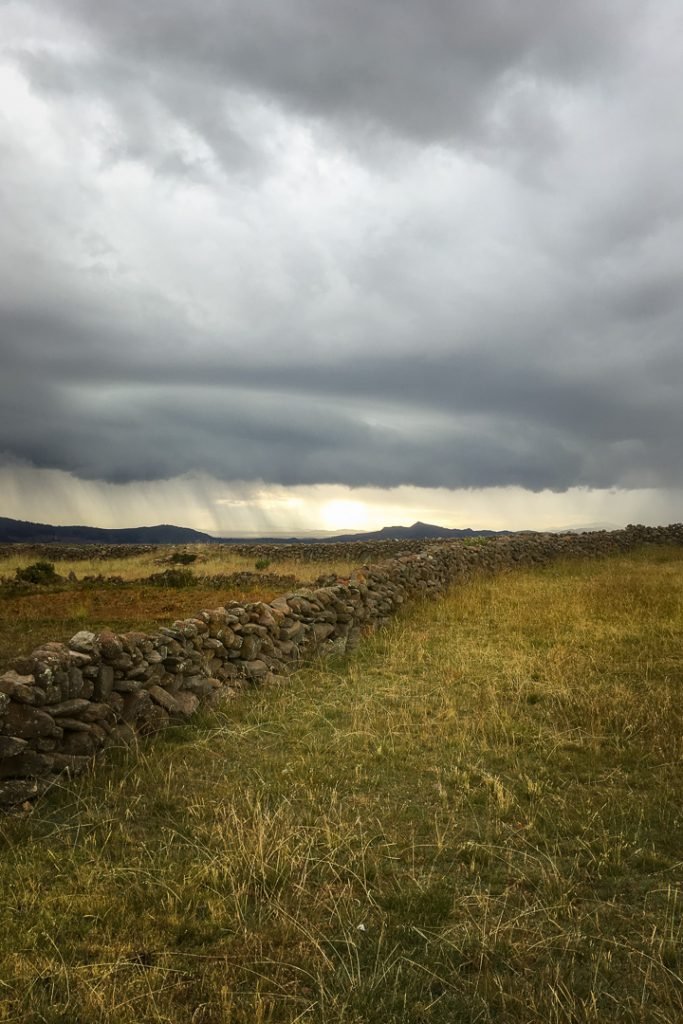
Amantan is an island on the Peruvian side of Lake Titicaca. The island is circular and about 9.28 km² in size. It has two mountain peaks, Pachatata (“father earth”) and Pachamama (“mother earth”), with ancient Inca and Tiwanaku ruins on top of both. The hillsides are terraced, mostly worked by hand, and planted with wheat, quinoa, potatoes, and other vegetables. Livestock, including sheep, also graze the slopes.